Ecclesiastes, Chapters 1-12
The Book of Ecclesiastes, traditionally attributed to King Solomon of ancient Israel—celebrated for his legendary wisdom and reign—is thought to have been penned in his twilight years, well after his tenure as monarch.
Ecclesiastes diverges markedly from the tone of Proverbs, adopting a somber and introspective voice. In its passages, the author laments the burdens of old age and critiques the myriad vanities he has observed and indulged in throughout his life. Solomon’s refrain, “Vanity of vanities, all is vanity,” echoes throughout the text, highlighting the transient nature of worldly pursuits. Ultimately, the book posits a singular truth of paramount importance, surpassing the quest for wisdom.

Ecclesiastes, Chapter 1
The Preacher's Lament
Ecclesiastes, Chapter 2
The Pursuit of Meaning and the Futility of Earthly Possessions
Ecclesiastes, Chapter 3
The Transient Nature of Life
Ecclesiastes, Chapter 4
The Oppression and Futility of Worldly Pursuits
Ecclesiastes, Chapter 5
Caution, Restraint, and Contentment
Ecclesiastes, Chapter 6
The Futility of Wealth and the Transience of Life

Ecclesiastes, Chapter 7
Reflections on the Complexities of Life
Ecclesiastes, Chapter 8
Finding Meaning in Life's Mysteries

Ecclesiastes, Chapter 9
The Vanity of Life
Ecclesiastes, Chapter 10
Wisdom, Folly, and the Nature of Power
Ecclesiastes, Chapter 11
Wisdom and Reflection on Life's Uncertainties and Transience
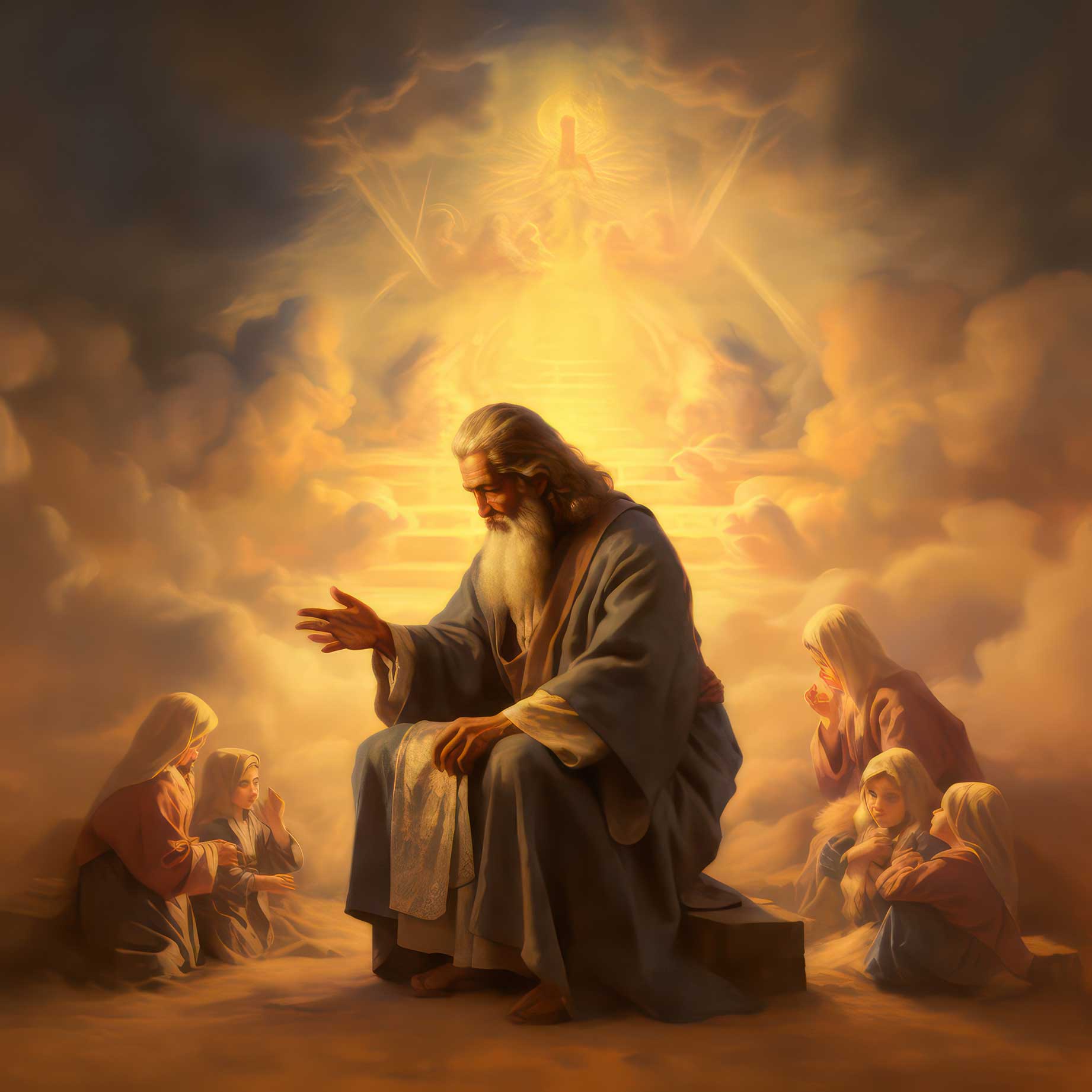
Ecclesiastes, Chapter 12
Embracing the Fleeting Nature of Existence